
📍 Address: Phase 2, Spectrum Metro Mall, Lower Ground Floor, Tower A, Gardenia Gateway, Sector 75, Noida - 201316

DEXA Scan in Noida

Looking for a DEXA Scan in Noida? Fusion Diagnostics provides DEXA Scan services in Noida to help assess bone mineral density and support the evaluation of osteoporosis and bone loss. A DEXA scan, also called a DXA scan or bone density test, uses a low dose of X-ray radiation to measure bone density, usually at the hip and lower spine. The results help doctors assess bone health and evaluate the risk of certain fractures.

Located at Spectrum Metro Mall, Sector 75, Fusion Diagnostics offers a convenient location for patients who have been advised to undergo a bone density examination.

DEXA Scan in Noida
DEXA Scan in Noida at Fusion Diagnostics

What is a DEXA Scan?

A DEXA scan stands for Dual-Energy X-ray Absorptiometry. It is a specialised imaging test used to measure bone mineral density (BMD), which indicates the amount of mineral content present in specific bones.

A DEXA Scan in Noida may be recommended by your doctor if you have risk factors for osteoporosis, a history of certain fractures or a medical condition that may affect bone strength. The examination commonly measures bone density at the lumbar spine and hip, although the appropriate scan sites depend on the clinical requirement.

Unlike a conventional X-ray, which mainly produces images of bone structures, DEXA provides quantitative measurements of bone mineral density. These measurements help a healthcare professional assess whether bone density is within the expected range or lower than expected.

A DEXA scan is non-invasive and generally painless. It does not require an injection or anaesthesia. Your doctor interprets the findings alongside your age, medical history, medication use and other fracture-risk factors.

Why Might a Doctor Recommend a DEXA Scan?

Bone loss can develop gradually without obvious symptoms. A doctor may recommend a DEXA Scan in Noida when a patient has risk factors that make an assessment of bone health appropriate.

Common reasons include:

Suspected osteoporosis

To assess bone mineral density and help evaluate osteoporosis.

After menopause

Bone loss can become more likely after menopause, particularly when other risk factors are present.

Older age

Bone density testing may be recommended according to age, sex and individual clinical risk.

Previous fractures

A fracture following a minor injury may prompt an assessment of bone strength.

Long-term medication use

Certain medicines, including long-term corticosteroids, can contribute to bone loss.

Relevant medical conditions

Some hormonal, inflammatory, kidney and other conditions can affect bone health.

Not everyone needs a DEXA scan. Your doctor will determine whether the test is appropriate based on your individual circumstances.

DEXA Scan Services in Noida at Fusion Diagnostics

A DEXA Scan in Noida can provide useful information about bone mineral density when prescribed for an appropriate clinical reason. Fusion Diagnostics is located at Spectrum Metro Mall, Sector 75, making it a convenient option for patients seeking diagnostic services in Noida.

Depending on the doctor’s request and the examination available, bone densitometry may be used for the following purposes:

Hip Bone Density Assessment

Measures bone mineral density at the hip, an important site for evaluating osteoporosis-related fracture risk.

Lumbar Spine Bone Density Assessment

Measures bone density in the lower spine and helps assess bone loss.

Osteoporosis Evaluation

Provides measurements that help clinicians assess whether bone density falls within the range associated with osteoporosis.

Bone Health Monitoring

Repeat DEXA examinations may help assess changes in bone density over time when clinically indicated.

Treatment Follow-Up

Results from appropriately timed follow-up scans can help a doctor evaluate the response to treatment.

The exact examination depends on the clinical indication. Please contact our Noida centre to confirm the availability of your prescribed DEXA study before visiting.

Who Should Consider a Bone Density Test?

A bone density test is not required for every adult. Doctors consider factors such as age, medical history, previous fractures and the likelihood of future fractures when deciding whether testing is appropriate.

A DEXA Scan in Noida may be worth discussing with your doctor if you:

Are an older adult and have been advised to assess bone health.

Have reached menopause and have additional osteoporosis risk factors.

Have experienced a fracture after a relatively minor fall or injury.

Have a family or personal history of osteoporosis-related fractures.

Have used corticosteroid medicines for an extended period.

Have a medical condition associated with reduced bone density.

Symptoms such as persistent back pain, loss of height or a stooped posture can have several causes. They do not confirm osteoporosis on their own, but your doctor may recommend further assessment when appropriate.

What Is the Difference Between a DEXA Scan and a Regular X-Ray?

Both DEXA scans and conventional X-rays use X-ray radiation, but they serve different purposes.

A conventional X-ray produces images that help doctors assess bone structure, fractures and certain abnormalities. A DEXA scan is specifically designed to measure bone mineral density at selected skeletal sites.

1. Main Purpose

DEXA Scan: Measures bone mineral density (BMD) to assess bone strength and help evaluate osteoporosis.

Conventional X-Ray: Produces images of internal structures, including bones, to help identify fractures and other abnormalities.

2. Common Uses

DEXA Scan: Used for osteoporosis assessment, bone density monitoring and evaluating bone loss.

Conventional X-Ray: Commonly used to examine fractures, bone injuries and structural abnormalities.

3. Results

DEXA Scan: Provides bone mineral density measurements and scores that help doctors assess bone health.

Conventional X-Ray: Produces radiographic images that are interpreted by a healthcare professional.

4. Radiation Exposure

DEXA Scan: Uses a very low dose of X-ray radiation.

Conventional X-Ray: Radiation exposure varies depending on the body part and type of examination.

5. Typical Examination Sites

DEXA Scan: Commonly measures bone density at the hip and lower spine.

Conventional X-Ray: Can examine different body parts depending on the patient’s symptoms and the doctor’s recommendation.

A regular X-ray may show changes associated with significant bone loss, but it is not a substitute for a DEXA scan when a quantitative bone density assessment is needed.

How to Prepare for a DEXA Scan?

Preparation for a DEXA Scan in Noida is usually straightforward. However, following the instructions provided by your doctor and the diagnostic centre helps ensure that the examination can be performed appropriately.

  1. Wear comfortable clothing: Choose clothes without metal zips, buttons or belts around the area being examined.

  2. Carry relevant documents: Bring your doctor’s prescription, previous bone density reports and relevant medical records.

  3. Inform the team about pregnancy: Tell your doctor and the imaging team if you are pregnant or could be pregnant.

  4. Mention recent imaging tests: Inform the team if you recently underwent a barium examination or received contrast material for another imaging test.

  5. Ask about calcium supplements: You may be instructed to avoid calcium supplements for at least 24 hours before the examination. Confirm this with your healthcare provider or the centre.

  6. Follow centre-specific guidance: Ask whether any additional preparation is required for your particular examination.

DEXA Scan in Noida
DEXA Scan

Fasting is generally not necessary for a routine DEXA scan. Do not stop prescribed medicines unless your doctor specifically advises you to do so.

What Happens During a DEXA Scan?

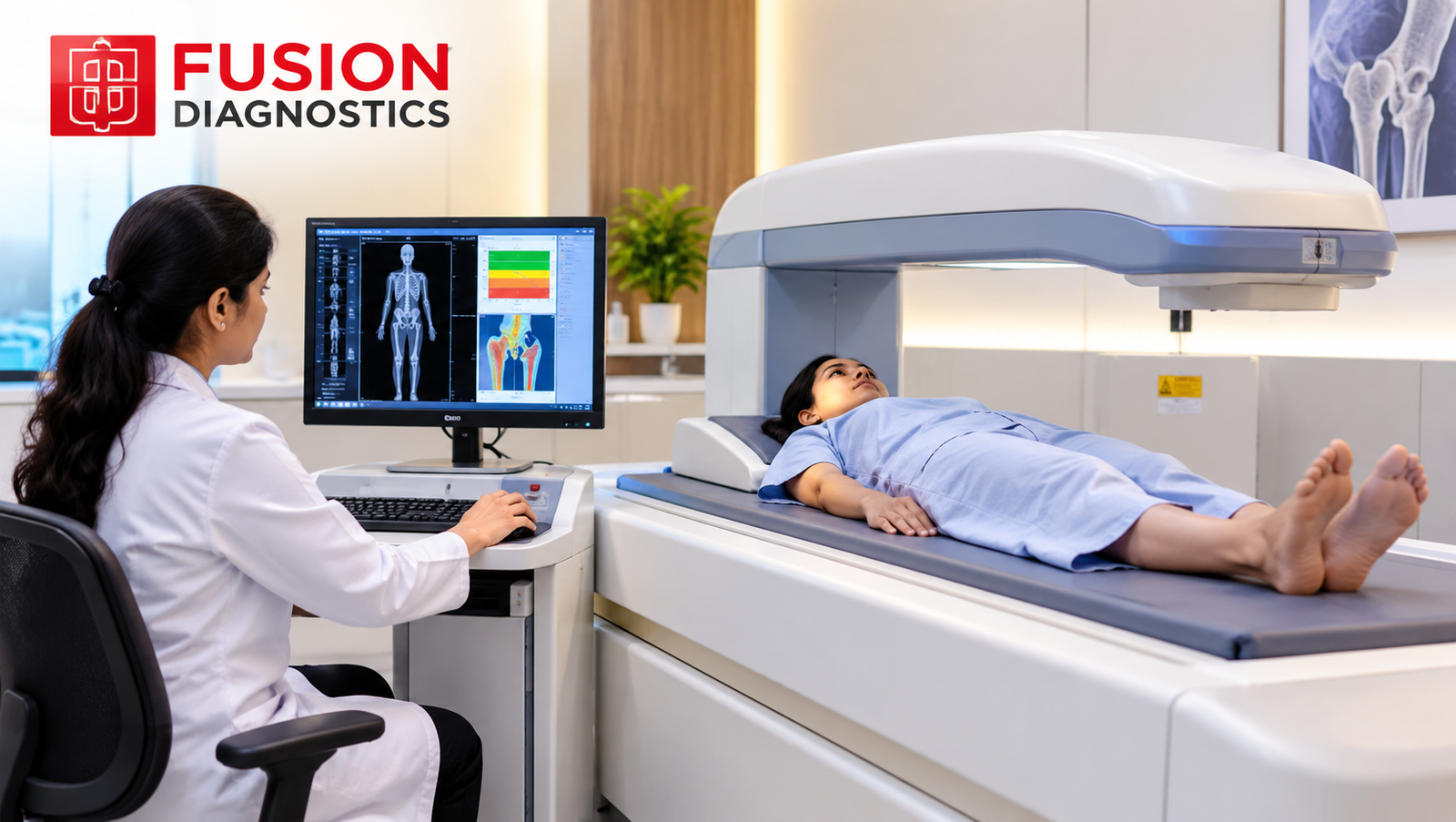
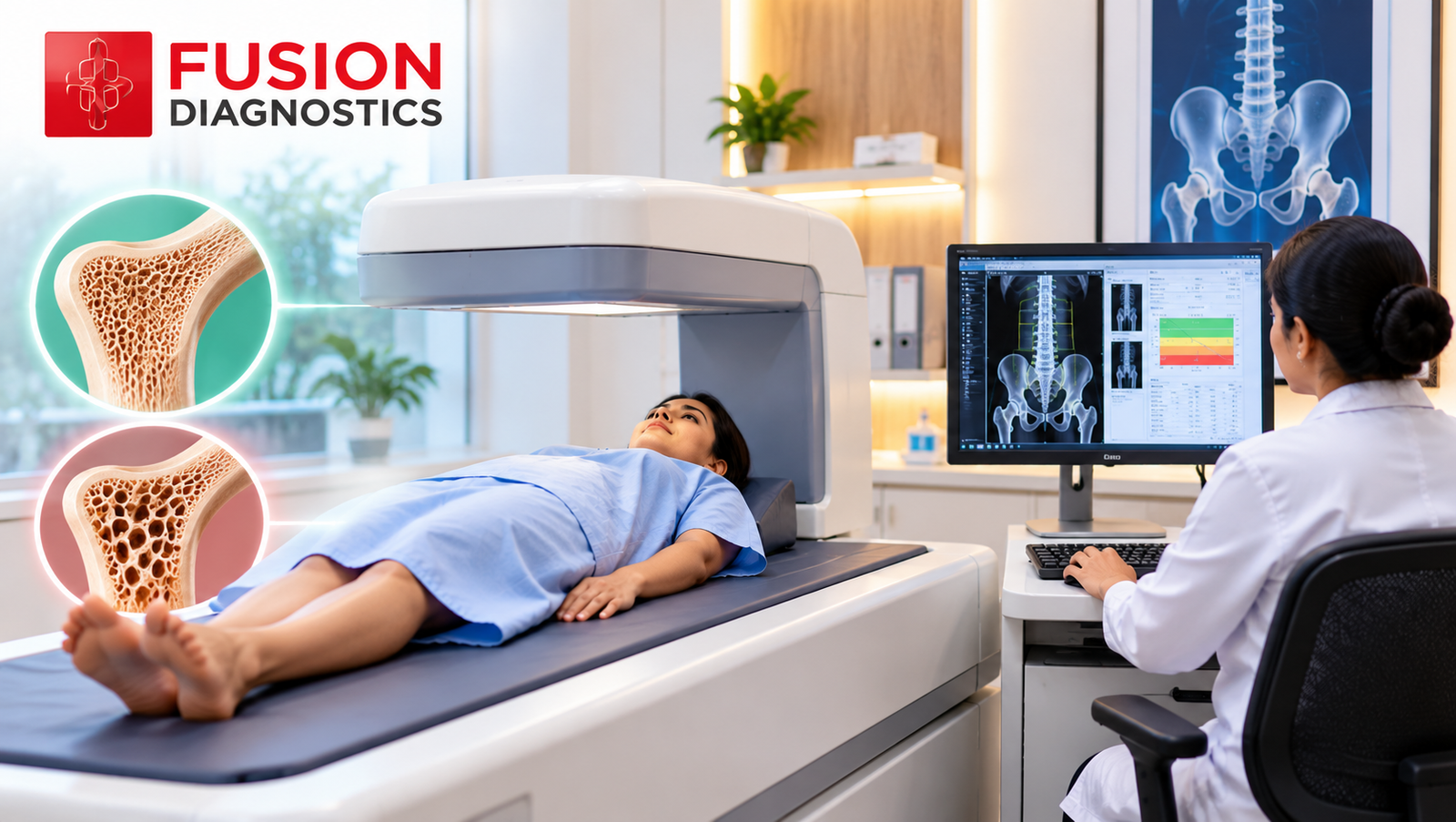
A DEXA Scan in Noida is generally performed as an outpatient examination. You will usually lie on a padded examination table while the scanner measures bone density at the required sites.

For a hip or lower-spine scan, the technologist may position your legs or feet to obtain suitable images. The scanning arm moves over the area being examined without causing pain. You will be asked to remain still during image acquisition to help obtain clear measurements.

The examination does not normally require injections, sedation or recovery time. You can generally return to your usual activities afterwards unless your doctor gives different instructions.

The duration varies according to the equipment and the examination being performed. Your centre can provide an approximate time when you arrange your appointment.

Is a DEXA Scan Safe?

DEXA scanning uses a very low dose of ionising radiation and is widely used when bone density assessment is medically indicated. The examination is non-invasive and generally has no associated recovery period.

As with other examinations that use radiation, it should be performed when clinically appropriate. Inform the radiology team if you are pregnant or think you may be pregnant so that your doctor can assess the need for testing and consider suitable precautions or alternatives.

DEXA results should always be interpreted in context. The scan provides important information about bone density, but a doctor may also consider other clinical factors when evaluating osteoporosis and fracture risk.

Understanding DEXA Scan Results?

A DEXA report commonly includes bone mineral density measurements and may include a T-score or Z-score, depending on the patient and clinical circumstances.

T-score: This compares a person’s bone density with a reference value for a healthy young adult population. In appropriate adult populations, a T-score of -1.0 or above is generally classified as normal, a score between -1.0 and -2.5 indicates low bone mass (often called osteopenia), and a score of -2.5 or below is in the osteoporosis range.

Z-score: This compares bone density with a reference population of similar age and sex. It may help clinicians decide whether further evaluation is needed, particularly in younger patients.

These thresholds are not intended to be used as a self-diagnosis tool for every patient. Interpretation depends on factors such as age, menopausal status, the skeletal site measured and relevant clinical guidance.

A low bone density result does not by itself determine every person’s fracture risk or treatment plan. Your doctor will review the report alongside your medical history and other risk factors before recommending next steps.

Frequently Asked Questions About Dexa Scan in Noida

You can contact Fusion Diagnostics at Spectrum Metro Mall, Sector 75, Noida, to enquire about DEXA scan availability, appointments and preparation instructions.

A DEXA scan measures bone mineral density. It is commonly used to help diagnose osteoporosis, assess bone loss and monitor changes in bone density when clinically indicated.

No. A DEXA scan is generally painless. You lie on an examination table while the scanner measures bone density at selected sites.

The scan is usually completed within approximately 10–30 minutes, although the actual duration depends on the examination and equipment. Contact the centre for guidance about your appointment.

Fasting is generally not required for a routine DEXA scan. However, you should follow any specific instructions provided by your doctor or the diagnostic centre.

Yes. DEXA is a standard method for measuring bone mineral density and is commonly used to help diagnose osteoporosis. The result should be interpreted by a qualified healthcare professional.

Yes. DEXA, also written as DXA, is a type of bone density test that measures mineral content in selected bones.

DEXA is commonly used for bone density assessment in older adults when clinically indicated. It uses a very low dose of X-ray radiation, and the doctor considers the patient’s individual needs before recommending testing.

You should tell your doctor and the imaging team if you are pregnant or may be pregnant. They will assess whether the examination is necessary and advise on the appropriate next steps.

The interval depends on your initial bone density, fracture risk, medical history and treatment plan. Your doctor will recommend the appropriate timing rather than using the same interval for everyone.

Some DXA systems and protocols can assess body composition, but a routine bone density examination is primarily intended to measure bone mineral density. Ask the centre whether a specific body composition assessment is available.

Call Fusion Diagnostics at +91 92 88 22 77 44 to enquire about availability, appointment scheduling and preparation requirements for your DEXA scan.

Dexa Scan IN NOIDA

Contact Fusion Diagnostics for a Dexa Scan in Noida?

Get in touch with Fusion Diagnostics Noida to schedule your appointment or discuss the examination recommended by your doctor.

Fusion Diagnostics Noida
Phase 2, Spectrum Metro Mall, Lower Ground Floor, Tower A, Gardenia Gateway, Sector 75, Noida – 201316
Book Your Dexa Scan Appointment
+91 92 88 22 77 44